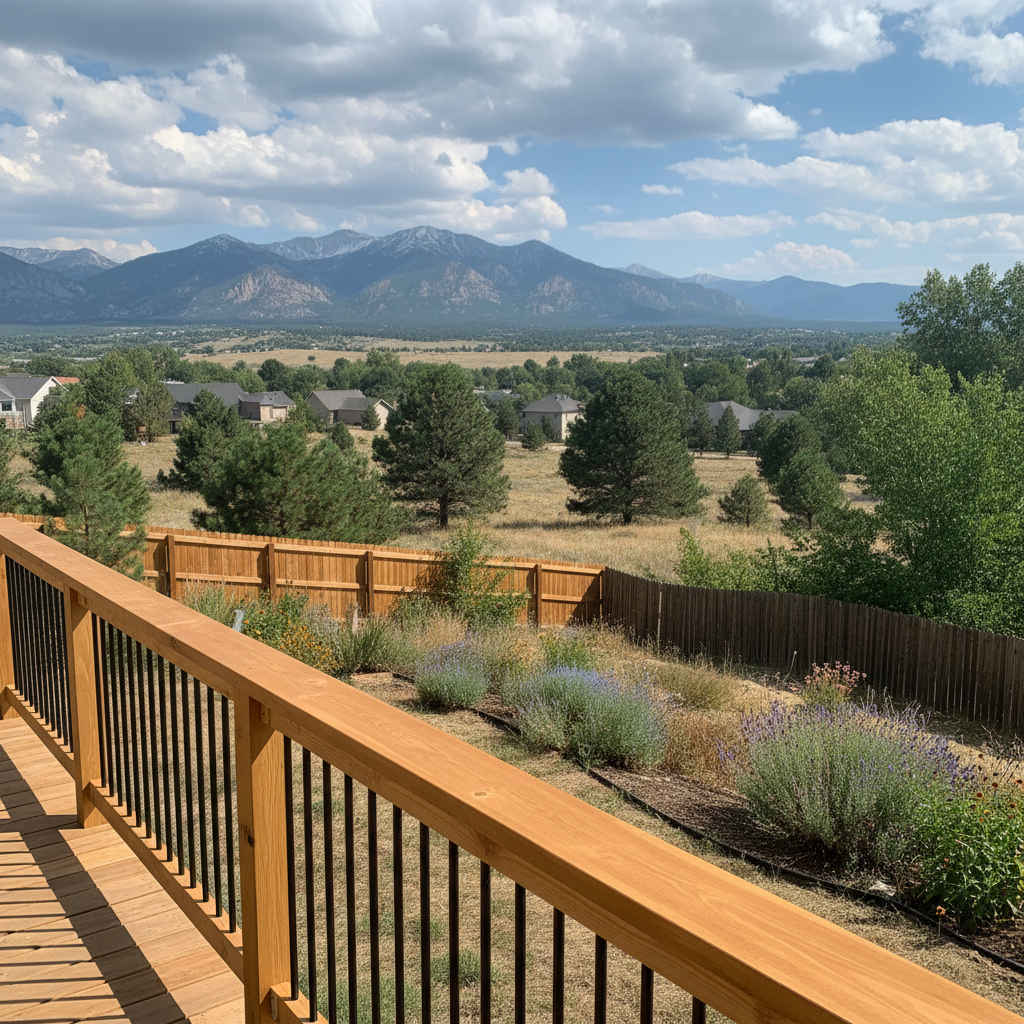
Alright, so you've got a great deck, and hopefully, some solid railings installed by folks who know what they're doing. But even the best-built railing system isn't something you can just set and forget, especially here in Lakewood. Our Colorado climate, with its intense sun, dry air, and those crazy freeze-thaw cycles, can really put your railings through the wringer. You want those railings to stay safe and look good, right? So let's talk about how to make that happen.
Making Your Deck Railings Last Longer
The biggest thing you can do to make your railings last is protect them from the elements. For wood railings, that means a good quality stain or sealant. You're not just making it look pretty; you're creating a barrier against UV rays, moisture, and even pests. I generally tell folks to plan on re-staining or sealing every 2-3 years. Sometimes you'll need to do it more often for railings that get direct, all-day sun, like those on south-facing decks in Green Mountain Village. If your railings are composite or vinyl, you've got less work there. But they still need cleaning to prevent grime buildup that can dull their finish or even promote mildew in shady spots.
For metal railings—whether it's aluminum, steel, or wrought iron—the key is stopping rust and keeping the finish nice. A good powder coat or paint job will do a lot of the heavy lifting, but scratches happen. Touch them up quickly with the right paint to stop rust before it starts. And make sure any attachment points, like where posts bolt to the deck frame, are sealed properly. This prevents water from getting in, which can lead to rot in the deck structure itself.
Regular Maintenance: What to Do and When
You don't need a whole weekend project every month, but a little regular attention goes a long way. Here's what I recommend:
- Spring Check-Up: After the snow melts and things dry out, give your railings a good once-over. Look for loose screws, wobbly posts, or splintering wood. Clean everything thoroughly. A mild soap and water solution usually works fine for most materials. Rinse well.
- Summer Spot Checks: Keep an eye out for any fading, chipping paint, or areas where the sealant might be wearing thin. If you see something, address it. Don't let a small chip turn into a big problem.
- Fall Prep: Before the first freeze, make sure everything is clean and dry. If you're doing a re-stain or seal, this is a good time. It gives it plenty of time to cure before winter. Check that all fasteners are snug.
For wood railings, make sure water isn't pooling anywhere. Our dry climate is a blessing, but even a small puddle sitting on a post cap can cause issues over time. For cable railings, check the tension. You want them taut, but not over-tightened.
Warning Signs You Shouldn't Ignore
Your railings are there to keep people safe. If you see any of these, it's time to pay attention:
- Wobbly Posts: This is a big one. If a post moves easily when you push on it, it's a hazard. It could be loose fasteners, rot at the base, or a structural issue with the deck itself.
- Splintering or Cracking Wood: Beyond minor surface cracks, deep splinters or significant cracks can compromise the strength of a wooden railing.
- Rust: Any signs of rust on metal components, especially at welds or connection points, means the protective coating has failed. If left untreated, it'll weaken the metal.
- Corrosion: This is especially true for aluminum. If you see white, powdery spots, it's corrosion. It might look minor, but it can spread and weaken the material.
- Loose Balusters or Pickets: If you can easily pull them out or they're rattling around, they're not doing their job.
- Fading or Peeling Finish: While not immediately a safety issue, it means the protective layer is gone, leaving the material vulnerable to damage.
When to Call a Professional
Look, you can handle a lot of the routine stuff yourself. But there are times when you really need to bring in someone who knows what they're doing. If you're seeing any of those major warning signs, especially wobbly posts or significant structural damage, don't try to jury-rig a fix. Your family's safety is on the line.
If you're unsure about the extent of rot, or if you suspect the problem goes deeper than just the railing itself into the deck's framing, that's definitely a job for a pro. We've seen plenty of older decks around Lakewood, especially some of those built in the 70s and 80s, where the railing issues are just symptoms of bigger problems. If you're dealing with complex repairs, specialty materials like glass panels, or if you just don't have the time or tools, give us a call at Superior Decks & Pergolas. We can assess the situation, give you an honest opinion, and make sure your railings are up to code and ready to keep your deck safe and looking great for years to come.